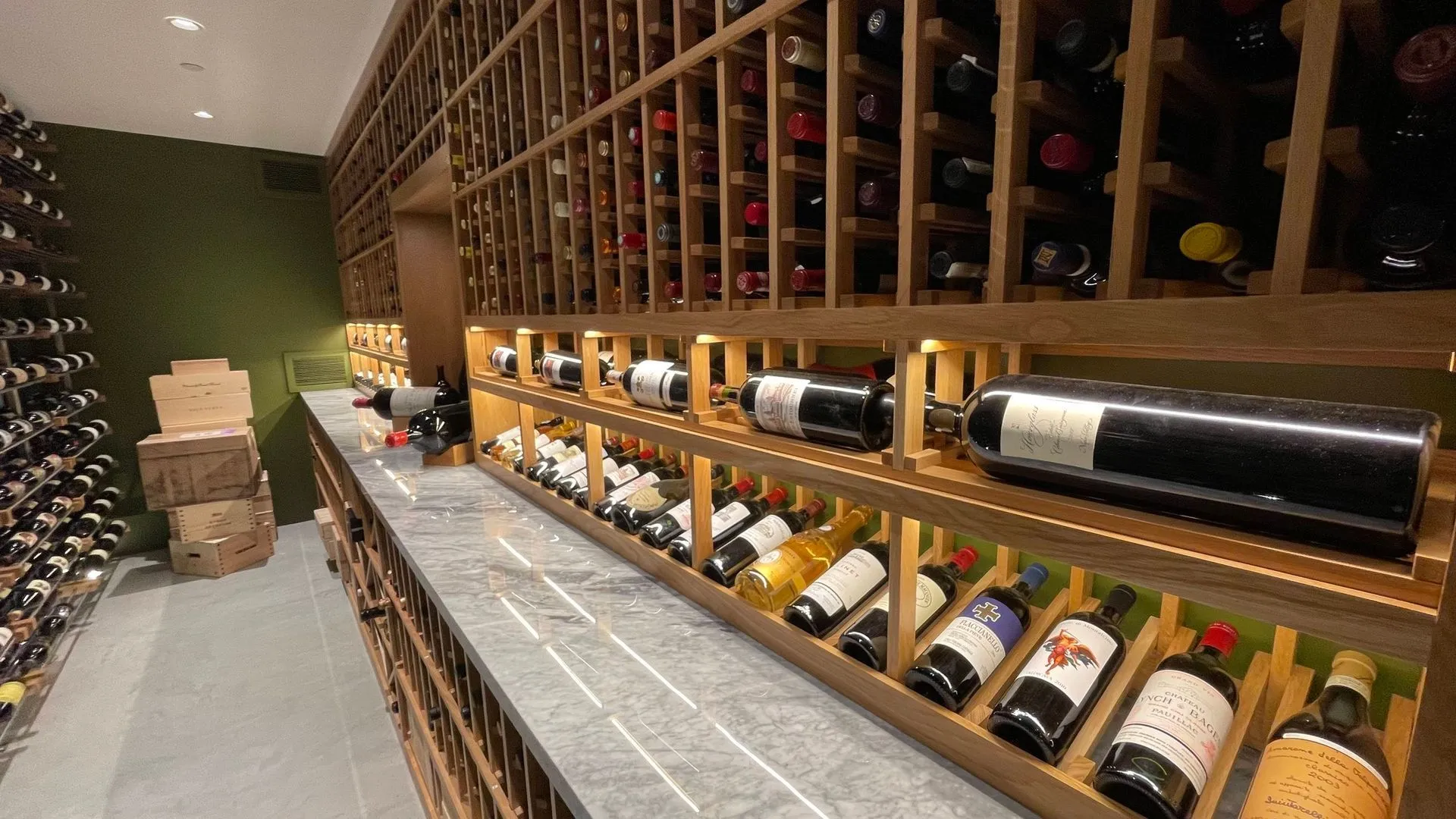
Choosing a company to build a wine cellar is not quite the same as hiring someone for a basic room renovation. A cellar brings together design, construction, climate control, storage, lighting, and finishing details that need to work as one system. The right wine cellar builders should understand how these parts connect rather than treating the project as a collection of separate jobs. Knowing what to ask before hiring anyone can make the comparison much easier.
Start With the Scope of the Project
Before comparing companies, be clear about what the project actually involves. A small storage room may require a very different approach from a large cellar with custom racking, glass, seating and display areas.
Think about the available space, expected bottle capacity, preferred style and how the room will be used. It is also useful to know whether the project involves a new room, a basement conversion, an existing closet, or a renovation.
Having this basic information ready helps you ask more useful questions. It also makes it easier to see whether a company’s experience actually matches your project.
Find Out What the Builder Handles
Not every company approaches cellar projects in the same way. Some may focus mainly on construction, while others coordinate design, cooling, racking, doors, and installation as part of a larger service.
This step counts because wine rooms have parts that work together. Swap a door, and the room changes. Racks take up wall space, and AC units must fit the build.
Ask who does the main work and what gets passed to outside help. A clear answer can tell you a lot about how organized the overall project will be.
Ask How They Assess the Space
Experienced wine cellar contractors should look beyond the room’s current appearance. The assessment should consider factors such as surrounding spaces, wall construction, access, electrical requirements, insulation, ventilation, and the intended climate-controlled environment.
This is particularly important when converting an existing space. A basement or spare room may look suitable at first glance but have limitations that are not obvious during a quick inspection.
Instead of asking only, “How much will this cost?” ask, “What does this room need before the cellar can be built properly?” The answer can reveal whether the contractor is thinking about the project as a complete system.
Look at Relevant Previous Projects
A portfolio can be useful, but the most impressive-looking project is not necessarily the most relevant one. Try to find examples that resemble your own situation.
If you have a compact room, look for smaller projects. If you want a contemporary glass enclosure, examine projects using similar materials. For a large collection, look for evidence that the builder has handled substantial storage requirements.
Pay attention to more than photographs. Look at whether the layouts appear practical, whether the racking fits the room properly, and whether design elements seem integrated rather than added as afterthoughts.
Ask Questions That Reveal Their Process
A builder can claim extensive experience, but specific questions often provide more useful information.
Ask who creates the design, how the cooling requirements are determined, how racking dimensions are coordinated, and when material selections need to be finalized. Find out how changes are handled once work begins and who communicates with you throughout the project.
You can also ask what happens if the existing room presents an unexpected construction issue. A thoughtful explanation is usually more informative than a general statement about experience.
Compare Proposals Beyond the Price
Two proposals can have very different prices while appearing similar at first. Before comparing numbers, check what each proposal actually includes.
Look for differences in design work, construction preparation, climate control, doors, racking, lighting, electrical work, finishing, delivery, and installation. A lower initial price may not represent the same scope of work.
It is better to compare complete project requirements than to choose a company based on one figure alone. Clear documentation also reduces misunderstandings once construction starts.
Think About the Experience After Installation
The relationship with a builder does not necessarily end when the last rack is installed. Ask what support is available if an adjustment, repair, or maintenance issue appears later.
This does not mean expecting every company to provide identical long-term services. It simply means understanding what happens after completion. Knowing who to contact and what support is available can provide useful peace of mind.
Conclusion
The strongest choice is not always the company with the largest portfolio or the lowest quotation. It is the one that can clearly explain how the different parts of your cellar will work together. Seek good plans, true skill, clear words, and a real chat before work starts. If you want to see what a solid project needs, customwinecellar.com gives you a place to look at custom wine setups and move forward when ready.