
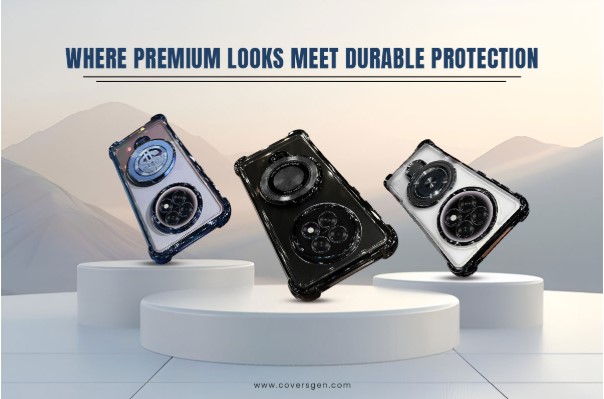
The mobile accessories market no longer survives on color trends and impulse purchases. It thrives on engineering, psychology, and the evolving relationship consumers have with their smartphones. Every device upgrade expands the market, but design innovation determines which brands actually grow revenue. At Coversgen, we’ve watched a simple truth reshape our entire strategy: smart phone case design directly drives profitability.
What once looked like a small add-on product now behaves like a full-scale business ecosystem. Texture changes drop rates. Material choices influence repeat purchases. Personalization strengthens margins. Functional enhancements create competitive moats. When brands understand these dynamics, the phone case becomes more than protection—it becomes a revenue multiplier.
Texture, Grip, and the Economics of Everyday Behavior
Most customers believe they choose cases based on color. Their behavior tells a different story. We see a significant shift in purchase intent when texture solves real-life usage problems.
Grip texture influences confidence. A soft-touch matte case, a ribbed TPU edge, or a gently rugged backplate anchors the device in the hand. Users drop their phones less. They feel comfortable holding the device longer. They take better photos, scroll faster, and experience less tension while multitasking.
When Coversgen introduced its first textured shockproof collection, we expected customers to appreciate the durability. Instead, users talked about how the texture changed their habits. They held their phones more securely during commutes. They stopped losing grip while jogging. They felt safer using the device with one hand.
Real-world impact creates loyalty. Loyalty drives repeat purchases. And repeat purchases amplify revenue far beyond the initial sale.
One event solidified our belief in smart texture engineering: a customer shared how her Coversgen shockproof case absorbed a direct concrete impact during a fall. The airbag corners compressed, the textured back prevented the device from skidding, and the phone remained untouched. Incidents like this validate design decisions. They turn satisfied buyers into vocal advocates, and advocacy remains the most cost-effective marketing channel in today’s saturated market.
Advanced Materials Strengthen Customer Lifetime Value
Material selection defines product longevity and customer satisfaction. A smooth, glossy case might look appealing for a week, but TPU blends with shock-absorbent layers retain their value for months and even years.
Coversgen uses multi-layer architecture in its protective lineup:
- Impact-resistant TPU for flexibility
- Polycarbonate skeletons for structural integrity
- Textured silicone surfaces for enhanced grip
- Raised camera bezels for lens defense
Customers feel the difference instantly—and they return for the performance. Strong materials reduce breakage, deliver comfort, and create trust. That trust raises lifetime value (LTV), a key business metric for accessory companies navigating competitive markets.
When brands upgrade materials, they reduce return rates, minimize complaints, and increase customer retention without spending more on advertisements. Material innovation quietly boosts margins.
Design Personalization as a Profitable Growth Engine
Personalization turned phone cases from a basic necessity into a lifestyle category. It’s the reason the accessories industry continues to scale even as smartphone innovation slows.
Coversgen tracks micro-trends across social platforms and search behavior. We’ve observed that niche designs—such as rotating wheel cases, minimal matte finishes, or stress-buster fidget covers—consistently outperform generic options. Stylish covers now function as identity pieces. Customers want cases that align with their aesthetic, not just protect their device.
When personalization meets functionality, product-line profitability jumps. A rotating magnetic case appeals to tech enthusiasts. A sleek leather-textured cover attracts working professionals. A shockproof rugged series wins over commuters and students.
By segmenting designs based on lifestyle, Coversgen expands market reach without expanding production waste. Personalization becomes a revenue engine, not a cost center.
Functional Innovation Creates Competitive Moats
Functionality distinguishes serious brands from commodity sellers. The mobile accessories industry moves fast, but thoughtful innovation creates long-lasting differentiation.
Coversgen’s most successful features continue to be:
- Airbag corners that disperse impact
- Textured sides that enhance one-hand grip
- Camera-lens protectors integrated into the frame
- Stress-buster wheels that reduce anxiety during long screen time
- Magnetic lock systems for car mounts and wallets
Each enhancement gives customers a reason to choose one case over dozens of cheaper alternatives. When a case solves a problem—whether it’s drop protection, fidget control, or photography stability—it becomes indispensable.
The earlier story about a shockproof case saving a user’s device demonstrates why functionality pays off. The design didn’t just look rugged—it performed when it mattered. That moment converted a buyer into a loyal customer, and loyalty is the foundation of every profitable brand.
This functional differentiation operates like a moat. Competitors can copy colors. They can imitate patterns. But engineering quality, intuitive design, and proprietary features create durable advantages.
Checkout this OPPO F31 Pro collection by coversgen.
Sustainability as a Business Advantage, Not a Buzzword
Consumer priorities are shifting. People remain loyal to brands that act responsibly with materials and packaging. Sustainable product lines generate higher trust and stronger conversion rates.
Coversgen experiments with recyclable TPU blends, low-impact packaging, and materials that reduce microplastic shedding. These adjustments reduce environmental strain, but they also improve brand reputation among eco-conscious buyers—a fast-growing demographic.
Sustainability strengthens revenue in three ways:
- Customers feel justified paying a premium
- Retailers prefer stocking eco-aligned brands
- Long-term operational efficiency lowers production waste
The industry will continue moving in this direction. Brands that prepare early will dominate marketplace shelves and search results alike.
Margins, Scalability, and Category Expansion
The business side of phone case innovation is straightforward: better design leads to healthier margins.
Here’s how smart case engineering expands profitability:
Higher Margins Through Differentiation
Textured finishes, shockproof layers, and premium materials allow brands to price products higher without resistance.
Lower Return Rates
Customers return broken or low-quality cases frequently. Shockproof engineering drastically reduces these returns, saving operational costs.
Faster Scalability
When designs are repeatable and dependable, brands can scale production without risking quality drops. Coversgen built its manufacturing cycle around modular templates that allow quick adjustments without full redesign.
Category Expansion Becomes Easier
Once customers trust a brand for cases, they willingly explore accessories like lens protectors, grip stands, magnetic wallets, and screen guards.
The phone case becomes the gateway product—reliable, profitable, and central to customer onboarding.
Where Phone Case Innovation Heads Next
The future of mobile accessories will prioritize personalization, performance, and sustainability. AI-driven customization will personalize textures, colors, and grip patterns based on user habits. Modular cases will allow users to snap on wallets, batteries, and camera modules. Sustainable materials will shift from a niche preference to an industry expectation.
At Coversgen, we see the case evolving into a smart companion—one that adapts to lifestyle, anticipates user needs, and reinforces the phone’s role as a personal hub.
Brands that innovate thoughtfully and invest in engineering will lead the next chapter of the mobile accessories industry. And as customer expectations rise, smart design will continue to multiply revenue far beyond what color trends alone could ever achieve.

.jpg "Trucking and Bus Accidents: What You Need to Know")

