Energy-efficient windows are no longer limited to premium buildings. Today, homeowners, architects, and builders across the country are paying closer attention to small components that make a big difference. One such component is the warm edge spacer in India, which plays a vital role in improving window insulation, reducing heat loss, and enhancing indoor comfort. Though often hidden between glass panes, this spacer directly impacts energy savings and long-term window performance.
This blog explains what a warm edge spacer is, how it works, and why modern energy-efficient windows rely on it.
What Is a Warm Edge Spacer?
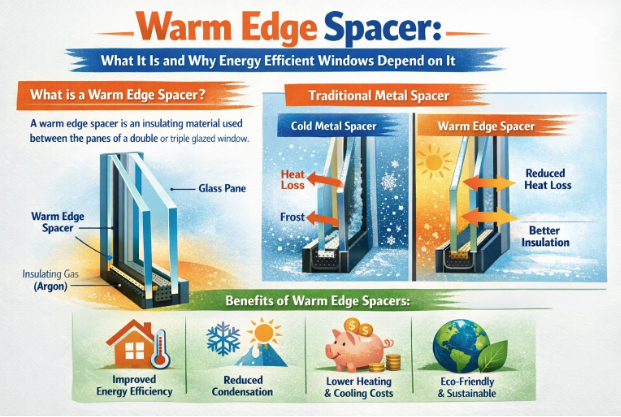
A warm edge spacer is the material placed between two panes of glass in double or triple-glazed windows. Its primary role is to maintain a uniform gap between glass panes while reducing heat transfer at the window edges.
Direct answer:
A warm edge spacer reduces thermal bridging at the edges of insulated glass units, helping windows retain indoor temperature more effectively.
Traditional aluminium spacers conduct heat easily, leading to energy loss. Warm edge spacers are made from low-conductivity materials such as advanced polymers or composite plastics, which significantly improve insulation.
Why Window Edges Matter More Than You Think
Most heat loss in insulated windows does not happen through the glass itself but around the edges. Studies in building physics show that up to 30 percent of total window heat loss can occur at the perimeter if poor-quality spacers are used.
Warm edge spacers help address this issue by:
- Minimising temperature differences at glass edges
- Reducing condensation risk
- Improving overall U-value of the window
How Warm Edge Spacers Improve Energy Efficiency
Reduced Thermal Bridging
Thermal bridging occurs when heat escapes through conductive materials. Warm edge spacers act as a thermal break, limiting heat flow between indoor and outdoor environments.
Better Indoor Comfort
Windows fitted with warm edge technology maintain a more consistent interior glass temperature. This reduces cold drafts near windows during winter and helps keep indoor spaces cooler in summer.
Lower Energy Bills
Improved insulation means less reliance on heating and cooling systems. Over time, this can lead to noticeable reductions in electricity or fuel consumption.
Materials Used in Warm Edge Spacers
Modern warm edge spacers use materials designed for strength and insulation:
- Reinforced polymers
- Composite plastics
- Stainless steel with thermal barriers
These materials offer flexibility, durability, and low thermal conductivity, making them suitable for varied climate conditions across India.
Warm Edge Spacer vs Conventional Aluminium Spacer
| Feature | Aluminium Spacer | Warm Edge Spacer |
| Thermal Conductivity | High | Low |
| Condensation Risk | Higher | Significantly lower |
| Energy Efficiency | Moderate | High |
| Long-Term Performance | Average | Superior |
This comparison explains why warm edge spacers are becoming the preferred choice in energy-efficient window systems.
Common Window Spacer Mistakes to Avoid
Despite their importance, spacers are often overlooked during window selection. Some common window spacer mistakes include:
- Choosing aluminium spacers for cost savings
- Ignoring climate-specific performance needs
- Using poor-quality sealants around spacers
- Not considering long-term condensation issues
Avoiding these errors ensures better window lifespan and consistent energy performance.
Role of Warm Edge Spacers in Indian Climate Conditions
India experiences wide temperature variations, from extreme heat to high humidity and cold winters in some regions. Warm edge spacers perform well under these conditions by:
- Reducing moisture buildup in humid zones
- Preventing heat loss in colder regions
- Maintaining window integrity in high temperatures
This adaptability makes them a practical choice for residential and commercial buildings alike.
Practical Applications in Modern Buildings
Residential Homes
Warm edge spacers help maintain indoor comfort while lowering cooling and heating costs.
Commercial Buildings
Offices, hotels, and malls benefit from improved thermal efficiency and reduced HVAC load.
Green and Sustainable Projects
Energy-efficient windows with warm edge spacers support green building certifications and sustainability goals.
Installation and Maintenance Considerations
Warm edge spacers do not require special maintenance, but correct installation is crucial:
- Proper sealing to prevent moisture ingress
- Accurate spacing for uniform insulation
- Compatibility with glass thickness and frame material
When installed correctly, they maintain performance for many years without additional upkeep.
Industry Adoption and Market Trend
With growing awareness of energy efficiency and building performance, warm edge spacers are increasingly used in modern glazing systems. Indian window manufacturers and profile extruders now focus on integrating advanced spacer technologies to meet rising demand for sustainable construction.
Manufacturers such as M3 Extrusion supply precision-engineered spacer solutions that align with current energy efficiency standards and building requirements.
Frequently Asked Questions
What is the main purpose of a warm edge spacer?
A warm edge spacer reduces heat transfer at the edges of double or triple-glazed windows. By limiting thermal bridging, it improves insulation, reduces condensation, and supports better energy efficiency throughout the window system.
Is a warm edge spacer suitable for all window types?
Yes. Warm edge spacers can be used in residential, commercial, and industrial windows. They are compatible with most modern glazing systems and frame materials, provided proper installation and sealing methods are followed.
How does a warm edge spacer reduce condensation?
By keeping the inner glass edge warmer, the spacer reduces the temperature difference that causes moisture to form. This helps prevent fogging, water droplets, and potential mould growth around window edges.
Are warm edge spacers more expensive than aluminium spacers?
Initially, they may cost slightly more. However, long-term energy savings, reduced maintenance, and improved window durability often outweigh the initial investment.
How long do warm edge spacers last?
When manufactured and installed correctly, warm edge spacers can last as long as the window itself. They maintain structural stability and insulation performance over many years.
Final Thoughts
Warm edge spacers may be a small component, but their impact on energy-efficient windows is significant. By reducing heat loss, improving comfort, and preventing condensation, they support better-performing buildings suited to Indian climate conditions. Choosing the right spacer technology ensures windows deliver long-term value, efficiency, and reliability.