As hydrogen moves from pilot projects to large industrial deployment, safety is no longer a theoretical concern. It becomes an operational requirement that must work under real conditions every day. Among the risks that continue to attract attention, explosion hazards remain one of the most critical, particularly in high pressure systems and environments where hydrogen is produced, stored or transported.
Hydrogen’s physical behaviour is well understood. It has a wide flammability range, very low ignition energy and high diffusivity. These characteristics make it both an attractive energy carrier and a demanding medium to manage safely. While engineering standards and safety frameworks have developed significantly, recent experience suggests that challenges still arise when systems are scaled and exposed to real operating conditions.
In many cases, explosion risk does not result from a single catastrophic failure. It develops from small and often undetected deviations such as oxygen ingress into hydrogen streams, incomplete purging during start-up or shutdown, minor leaks in high pressure equipment or transient mixing within pipelines and reactors. These events may last only seconds or minutes but can still create conditions within the explosive range.
Traditional safety approaches tend to rely on periodic inspection, ambient gas detection and control strategies based on expected process behaviour. While these methods remain important, they often detect consequences rather than the early formation of unsafe conditions. This is where a growing number of engineers are beginning to view hydrogen safety not only as a design issue but also as a measurement challenge.
In many installations, gas composition is not measured directly at the point where risk develops. Instead, it is inferred from sampled gas that has been filtered, dried and pressure reduced, or from laboratory analysis that introduces delay. These approaches can provide useful information but they also introduce latency and may alter the original gas composition. In fast changing systems this delay can be critical.
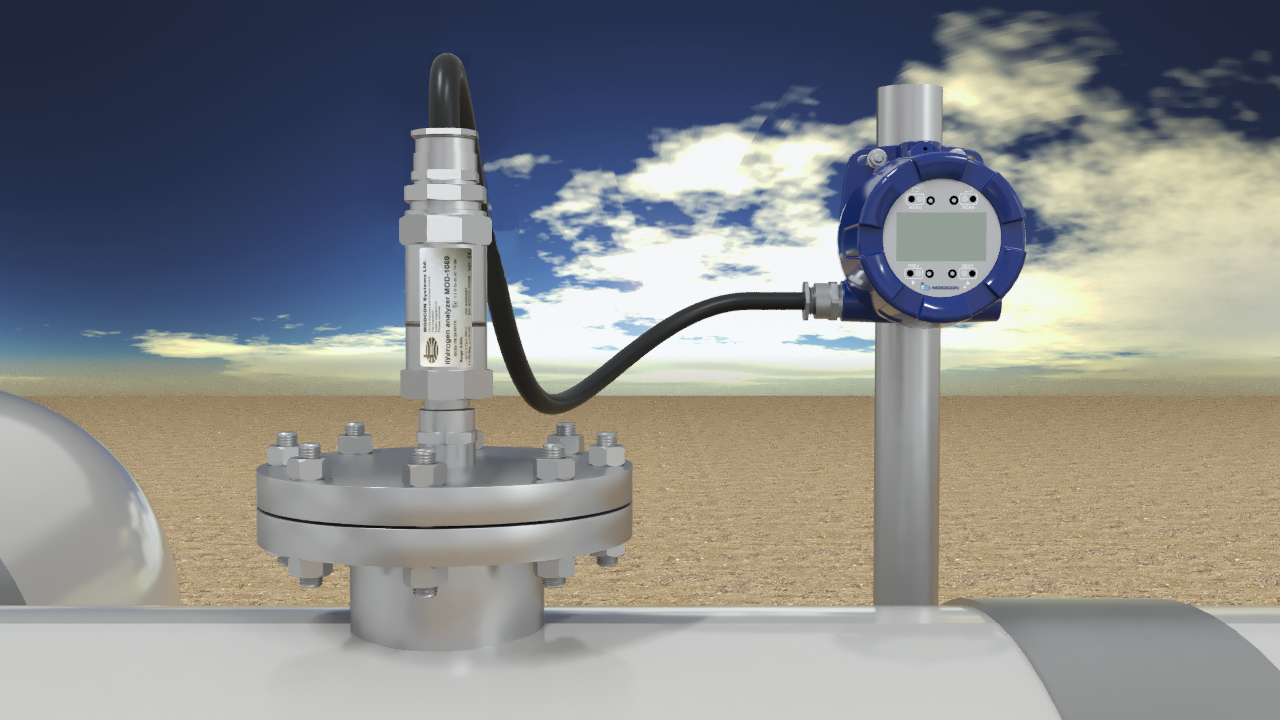
A noticeable shift is now taking place towards in situ measurement, where key parameters such as oxygen in hydrogen are measured directly within the process stream. This allows operators to observe the actual condition of the gas without relying on intermediate steps. The benefits are practical. Detection becomes immediate, the influence of sampling systems is removed and the data can be used directly for control decisions.
Recent developments in optical oxygen measurement have made it possible to operate reliably under harsh conditions including high pressure, moisture and the presence of corrosive components such as hydrogen sulphide. These technologies are increasingly used in hydrogen production and handling systems where early detection of oxygen ingress is essential for maintaining safe operation.
Alongside measurement, there is also increasing interest in how real time data is used. Artificial intelligence is being introduced not as a purely predictive tool but as part of a closed loop system. Continuous measurement provides live data, models interpret deviations from expected behaviour and control systems respond immediately. The outcome is a system that adapts to real conditions rather than relying on assumptions. Solutions of this type are being developed across the industry, including integrated approaches such as those implemented using the Modcon.AI platform.
In practical terms, the most effective solutions are those that combine direct measurement with intelligent analysis. Continuous monitoring of oxygen and hydrogen concentrations, combined with automated response strategies, can reduce the likelihood that unsafe conditions develop unnoticed. This approach does not replace established safety standards but complements them by providing ongoing verification of what is actually happening inside the process.
As hydrogen infrastructure continues to expand, the broader implication becomes clear. Safety is not only about compliance with design codes but also about visibility of real operating conditions. Systems that rely on delayed or indirect data may struggle to respond to rapid changes, while systems built around continuous and direct measurement provide a more reliable foundation for both safety and efficiency.
The direction now emerging suggests a gradual transition from reactive safety to proactive control. By combining in situ measurement with real time analysis, operators can identify and address risks at an earlier stage. In a sector where small deviations can have serious consequences, this shift may prove to be one of the most important developments in making hydrogen a dependable part of the future energy system.