
The Everest Base Camp (EBC) trek stands as one of the world’s most iconic adventures, drawing trekkers from every corner of the globe to the foothills of the highest mountain on Earth. Often called the Trek to Everest Base Camp, this journey through Nepal’s Khumbu region offers far more than a physical challenge—it is a profound immersion into Himalayan grandeur, Sherpa culture, and the limits of human endurance. At its heart lies Mount Everest (8,848 meters), known locally as Sagarmatha or Chomolungma, but the trek itself culminates not at the summit but at the vibrant tent city of Base Camp, perched at 5,364 meters. Here, climbers prepare for their assaults on the peak while trekkers savor panoramic views of Everest, Lhotse, Nuptse, and Ama Dablam without the technical risks of mountaineering.
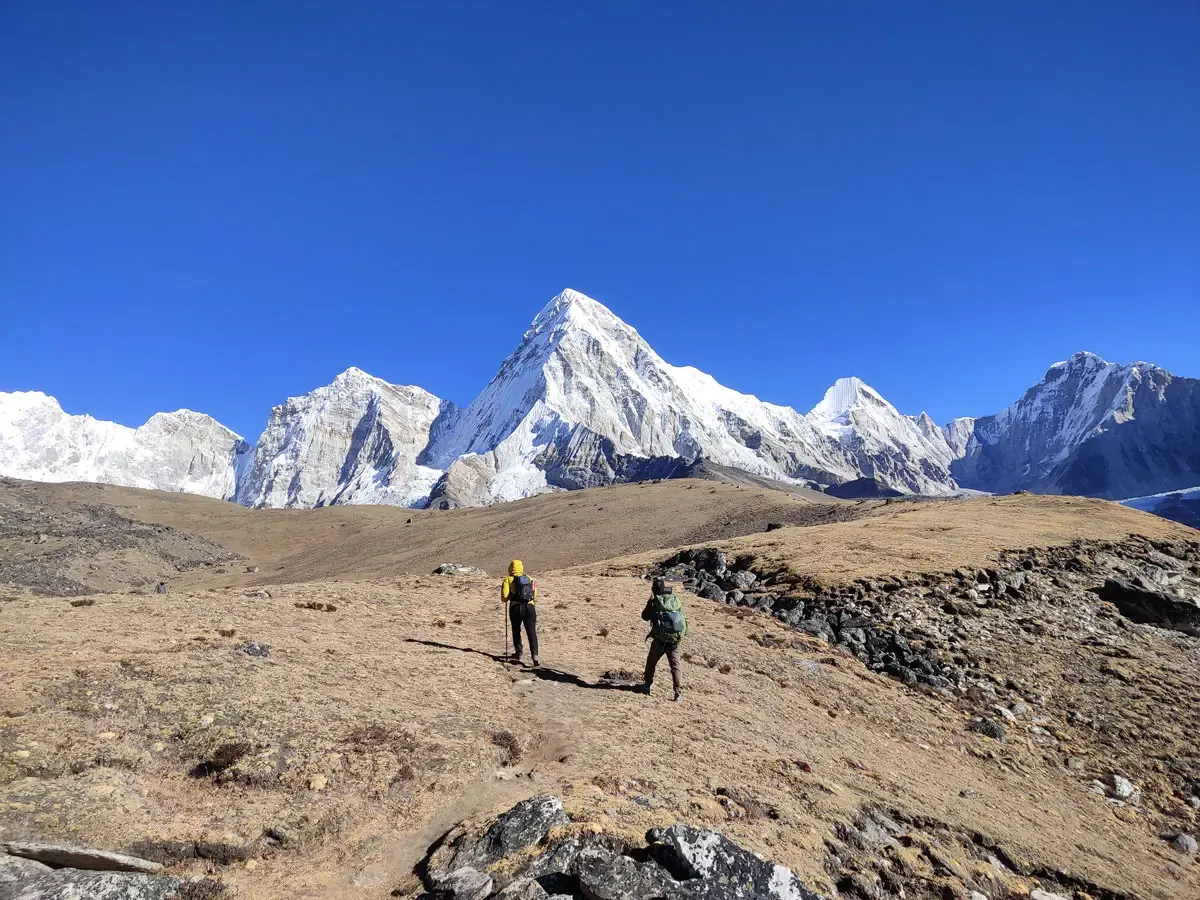
What makes the EBC trek truly unique is its accessibility. Unlike expeditions requiring years of training and six-figure budgets, the trek is open to anyone with moderate fitness and a spirit of adventure. Over 12 to 16 days, participants traverse rugged trails, ancient monasteries, and high-altitude villages, experiencing the raw beauty of the Himalayas while gaining a deep appreciation for the resilience of the local Sherpa people. The trek has evolved since the 1953 summit by Sir Edmund Hillary and Tenzing Norgay, transforming from an exclusive mountaineering route into a bucket-list pilgrimage that balances thrill with cultural discovery.
The Classic Route: A Step-by-Step Odyssey
Most EBC itineraries begin with a dramatic 35-minute flight from Kathmandu to Lukla (2,800 meters), often dubbed the world’s most dangerous airport due to its short, sloping runway nestled between mountains. From Lukla, the path descends gently to Phakding (2,610 meters) on Day 1, crossing the roaring Dudh Koshi River via suspension bridges and passing through lush rhododendron forests. Day 2 ascends to Namche Bazaar (3,440 meters), the bustling “capital” of the Khumbu, where trekkers acclimatize amid colorful shops, bakeries, and the first clear views of Everest.
Acclimatization is critical. A rest day in Namche typically includes a hike to the Everest View Hotel or the Sherpa Cultural Museum, offering insights into local history. The trail then climbs to Tengboche (3,860 meters) on Day 4, home to the revered Tengboche Monastery, where monks perform ancient Buddhist rituals and the prayer wheels spin endlessly. Beyond lies Dingboche (4,410 meters), another acclimatization stop surrounded by stone-walled potato fields and dramatic peaks.
The final push intensifies. From Dingboche, the route crosses the Khumbu Glacier’s moraine to Lobuche (4,940 meters) and Gorak Shep (5,164 meters), the last permanent settlement. Early on summit day, trekkers reach Everest Base Camp after a 3–4 hour hike across rocky terrain, often in the company of yaks and fellow adventurers. Many extend the experience with a pre-dawn climb to Kala Patthar (5,545 meters) for the trek’s finest sunrise views—Everest bathed in golden light against a cobalt sky. The return follows the same path, with faster descents allowing reflection on the journey.
Preparation: Turning Dreams into Reality
Success on the EBC trek demands thoughtful preparation. Physical fitness is essential; trekkers should train with cardio, strength exercises, and hill walks for 4–6 months prior. The trail involves 5–8 hours of daily hiking over uneven paths, stone steps, and glacial moraines. Altitude sickness (Acute Mountain Sickness) poses the greatest risk above 3,000 meters, so a gradual ascent with built-in rest days is non-negotiable. Hydration, a balanced diet, and medications like Diamox (under medical advice) help mitigate symptoms.
Gear should prioritize layering: moisture-wicking base layers, insulating fleeces, a waterproof shell, sturdy trekking boots, trekking poles, a down jacket for evenings, and a sleeping bag rated to -10°C. Sunglasses, sunscreen, a headlamp, and a first-aid kit are indispensable. Most opt for guided packages (USD 1,300–2,000 for 12–14 days), which include teahouse lodging, meals, permits, and an experienced Sherpa guide—highly recommended for safety and cultural depth.
Permits are straightforward: the Sagarmatha National Park entry (approximately USD 25–30) and the Khumbu Pasang Lhamu Rural Municipality permit (USD 20). The best seasons remain spring (March–May) for blooming rhododendrons and autumn (September–November) for crystal-clear skies and stable weather. Monsoon (June–August) brings rain and clouds, while winter risks snow-blocked trails.
Challenges, Culture, and Conservation
The trek is not without hurdles. Thin air at higher elevations can cause headaches, fatigue, and nausea; weather can shift rapidly with freezing nights and strong winds. Yet these challenges pale against the rewards: warm Sherpa hospitality in teahouses offering dal bhat and apple pie, the spiritual aura of monasteries, and the camaraderie of fellow trekkers sharing stories around the fire.
Sherpa culture enriches every step. Descendants of Tibetan migrants, Sherpas embody strength, kindness, and Buddhist traditions. Villages buzz with prayer flags, mani stones, and festivals like Mani Rimdu. Trekkers learn how Sherpas have shaped mountaineering history while preserving their way of life amid tourism’s growth.
Sustainability is increasingly vital. The region faces waste, deforestation, and climate change threats. Responsible practices—packing out trash, using filtered water, supporting local businesses, and choosing eco-conscious operators—ensure future generations can experience this wonder. Organizations promote “Leave No Trace” principles, and many lodges now use solar power and composting toilets.
Conclusion
The Everest Base Camp trek is more than a hike; it is a transformative odyssey that reshapes perspectives on ambition, humility, and our place in nature. From the adrenaline of the Lukla flight to the awe-inspiring vista at Base Camp, every moment forges lasting memories and a profound respect for the Himalayas and their people. Whether you seek personal triumph, cultural connection, or simply unparalleled beauty, the trek delivers. As you descend back to Lukla, one truth lingers: the mountains do not change you—you return changed, carrying the spirit of Everest in your heart. For those ready to answer the call, the path to the world’s roof awaits. Pack light, tread respectfully, and prepare for the adventure of a lifetime.


