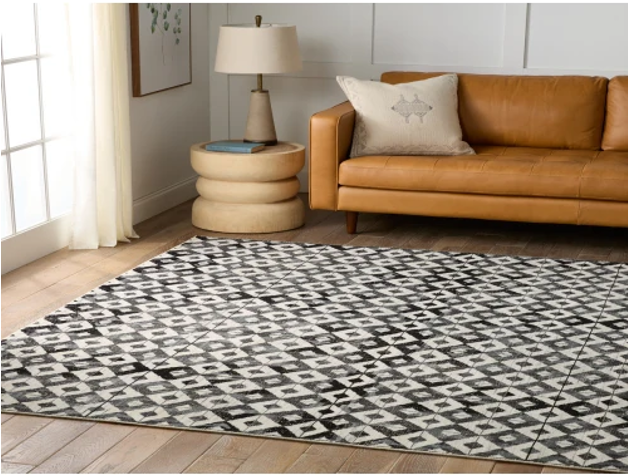
Open-plan homes feel spacious and flexible, but they can also be difficult to organize. One room may include a living area, dining space, kitchen and small workspace. Without clear boundaries, these sections can blend and make the interior feel unfinished. One of the easiest ways to add structure is by using Area Rugs. Rugs can visually separate different parts of the room without adding walls, screens or bulky furniture. They preserve the open layout while giving each section a clear purpose.
Why Open-Plan Spaces Need Defined Zones
Traditional rooms use walls to separate activities, but open-plan interiors depend on furniture placement, lighting and flooring. Rugs work like visual frames by showing where one zone begins and another ends.
Defined areas can help:
-
Make the room easier to understand
-
Improve movement between spaces
-
Create a balanced furniture arrangement
-
Add warmth to hard floors
-
Reduce echo in large rooms
-
Make each activity area feel intentional
A good rug layout creates organization without making the room feel divided.
Anchor the Living Area
The living area is usually the main feature of an open-plan room. A large rug can connect the sofa, chairs and coffee table, making the seating arrangement feel complete. The rug should sit beneath at least the front legs of the sofa and chairs. If it is too small, the furniture may look disconnected. A properly sized rug creates a stronger focal point and gives the living zone a clear boundary.
Neutral colors work well with bold furniture, while patterned rugs can add character to a simple room. The design should complement cushions, curtains and nearby décor without competing with them.
Create a Separate Dining Zone
A rug beneath the dining table can distinguish the eating area from the kitchen or living space. It also softens the floor and helps reduce noise. The rug should extend beyond the table so the chairs remain on it when pulled out. This keeps the area balanced and prevents it from feeling cramped.
When selecting a dining rug, consider:
-
A low-pile surface that is easier to clean
-
Durable materials for regular use
-
Patterns that hide small marks
-
Colors that connect with nearby furniture
-
A size that fits the table and chairs comfortably
The dining and living-room rugs do not need to match exactly. However, they should share at least one color, texture or design element.
Define a Home Office Corner
Many open-plan homes include a desk in the corner of the living or dining area. A rug can make this workspace look planned rather than temporary. Choose a compact rug that fits beneath the desk and chair. It should allow the chair to move easily while creating a visible boundary. A simple design can help the workspace feel organized and focused.
Coordinate Multiple Rugs Carefully
Using several rugs in one room requires balance. Too many bold colors or unrelated patterns can make the space feel busy.
To keep the design consistent:
-
Choose rugs from a similar color family
-
Use one statement rug and keep the others simple
-
Repeat one or two colors across each zone
-
Select similar textures or materials
-
Leave visible flooring between rugs
-
Avoid placing several large patterns together
Collections such as Jaipur living rugs offer varied styles that can work together while still giving each zone its own identity.
Consider Movement Through the Room
Rugs should support natural movement rather than block it. Before choosing sizes, observe how people walk between the kitchen, seating area, dining table and doors. Avoid placing rug edges directly across busy pathways, as this may interrupt the flow or create a tripping risk. Rug pads can help keep rugs stable, protect the floor and add comfort. Each rug should define a zone while leaving enough open space for easy movement.
Use Texture to Change the Mood
Different areas may need different textures. A soft rug can make the living space feel warm and relaxing, while a flat-weave rug is more practical beneath a dining table or desk. Texture can also separate one zone from another without using strong color contrasts. This works well in minimalist interiors where the overall palette remains neutral.
Final Thoughts
Open-plan living offers freedom, but it still needs structure. Rugs provide a practical way to define living, dining and working areas without reducing light or openness. By choosing suitable sizes, coordinating colors and considering traffic flow, homeowners can create clear zones that still feel connected. A thoughtful rug arrangement makes an open-plan home look organized, comfortable and intentionally designed.
.png "BathroomDuck Water Conditioner Page: Understanding Modern Scale Prevention for UK Homes")