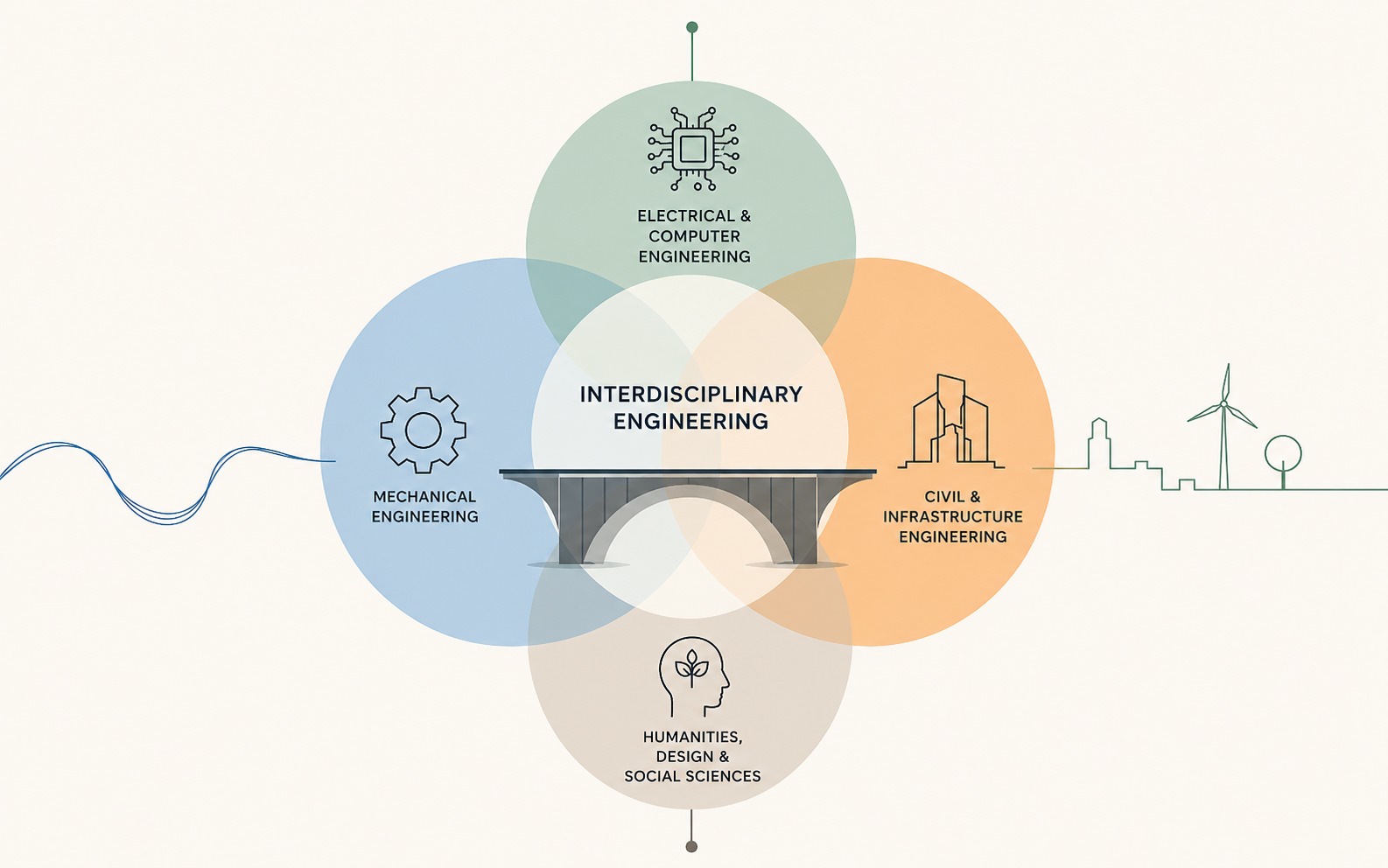
Biomedical engineering has evolved beyond designing static medical equipment like X-ray machines or hospital beds. Today, mechanical, electrical, and software engineering are directly integrating with human biology, physiology, and neurobiology.
By applying control theory, embedded systems, advanced materials, and machine learning to human health, bioengineers are developing active medical interfaces that directly communicate with the nervous system, monitor micro-fluidic biomarkers in real time, and automate therapeutic delivery.
1. Neuromuscular Interfaces & Smart Prosthetics
Traditional limb prosthetics relied on mechanical harnesses or simple cable tensioners. Modern bio-robotic prostheses establish direct closed-loop communication with human nerves and muscles:
-
Targeted Muscle Reinnervation (TMR): Surgeons re-route residual nerves from an amputated limb to nearby healthy muscle groups. Embedded electromyographic (sEMG) sensors detect electrical impulses, translating user intent into natural, fluid robotic movement.
-
Sensory Feedback Loops: Pressure and thermal sensors on robotic fingertips send micro-electrical pulses back to sensory nerve fibers, returning tactile sensation and grip force control to the user.
2. Lab-on-a-Chip (LoC) & Organ-on-a-Chip Platforms
Engineers are miniaturizing entire pathology labs onto microfluidic chips no larger than a memory card:
-
Microfluidic Biomarker Screening: Pico-liter volumes of blood or interstitial fluid flow through etched micro-channels lined with biosensors to detect targeted proteins, cancerous cell strains, or metabolic spikes in minutes.
-
Organ-on-a-Chip Drug Testing: Living human cell structures are cultured inside microfluidic chips that mimic the mechanical strain and fluid flow of lungs, hearts, or livers. Pharmaceutical engineers test drug toxicity without animal testing or human clinical risks.
3. Autonomous Continuous Monitoring & Smart Implants
Passive medical implants (like basic hip joints or simple pacemakers) are being replaced by bio-compatible, active smart devices:
-
Closed-Loop Insulin Pumps: Subcutaneous continuous glucose monitors (CGM) communicate directly with micro-pumps using predictive algorithms, delivering precise insulin dosages in real time to mimic a healthy pancreas.
-
Bio-Resorbable Electronics: Transient bio-electronics made of ultrathin silicon and magnesium operate inside the body for a specified duration—monitoring brain pressure or bone healing—and then harmlessly dissolve into biological fluid, eliminating the need for removal surgeries.
|
Technology Domain |
Key Engineering Disciplines |
Clinical Impact |
|
Neuroprosthetics |
Signal processing, embedded systems, biomechanics |
Restoration of motor control and tactile sensory feedback |
|
Microfluidic Chips |
MEMS fabrication, fluid mechanics, bio-chemistry |
Rapid point-of-care diagnostics and chip-scale organ modeling |
|
Bio-Resorbable Sensors |
Materials science, wireless telemetry, electrical engineering |
Temporary internal physiological monitoring without secondary surgical extraction |