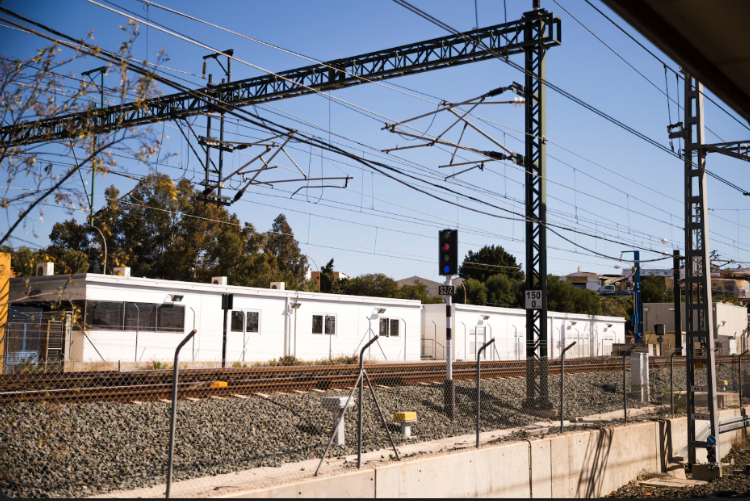
Electricity generated at power plants must travel long distances before reaching homes, businesses, and industrial facilities. However, transmitting electricity efficiently requires careful control of voltage levels within the power grid.
Transformers play a crucial role in this process by adjusting voltage levels at different stages of electricity transmission and distribution. Two of the most important transformer types used in electrical systems are the Step-Up Transformer and the Step-Down Transformer.
These transformers allow power systems to operate efficiently by minimizing energy loss and ensuring electricity can be delivered safely to end users.
Understanding Voltage in Power Systems
Voltage refers to the electrical pressure that pushes electric current through wires. In power transmission networks, high voltage is necessary for efficient electricity transport.
When electricity travels long distances, higher voltage reduces energy losses caused by resistance within transmission lines.
This is why electricity generated at power plants is typically increased to extremely high voltage levels before being transmitted through national power grids.
The Function of Step-Up Transformers
A Step-Up Transformer increases voltage from a lower level to a higher level. This process is essential for transmitting electricity efficiently across long distances.
At power plants, electricity is generated at moderate voltage levels. A step-up transformer increases this voltage to hundreds of thousands of volts before the electricity enters transmission lines.
By increasing voltage, power utilities can reduce energy losses and improve transmission efficiency.
This makes step up transformers a critical component in modern power infrastructure.
The Role of Step-Down Transformers
Once electricity reaches its destination, the high transmission voltage must be reduced to levels suitable for residential and commercial use.
This process is performed by a Step-Down Transformer.
Step down transformers gradually reduce voltage levels as electricity moves from transmission networks to distribution systems and finally to end users.
For example, electricity may be stepped down from high transmission voltage to medium voltage at substations, and then reduced further before reaching homes and businesses.
Transformers in Substations and Distribution Networks
Electrical substations serve as key points in the power distribution network where voltage levels are adjusted.
Substations often contain both Step-Up Transformer and Step-Down Transformer systems depending on their role within the grid.
Step up transformers may be used in power plants or renewable energy facilities, while step down transformers are typically found in distribution substations.
Together, these transformer systems maintain stable electricity supply across entire power networks.
Improving Transmission Efficiency
One of the main advantages of using step up and step-down transformers is improved transmission efficiency.
Without a Step-Up Transformer, electricity would need to travel long distances at low voltage, which would cause significant energy losses.
Similarly, without a Step-Down Transformer, electricity would reach homes and businesses at dangerously high voltage levels.
Transformers ensure that voltage levels are adjusted appropriately throughout the power distribution process.
Supporting Modern Electrical Infrastructure
Modern power grids rely on transformer systems to maintain reliable electricity supply across vast geographic regions.
Industrial facilities, urban centers, and residential communities all depend on efficient voltage regulation provided by transformers.
As electricity demand continues to increase due to population growth and technological advancements, transformer technology will remain essential for maintaining stable power networks.
Future Developments in Transformer Technology
Transformer technology continues to evolve with new materials and improved engineering designs.
Modern transformers are becoming more efficient, compact, and environmentally friendly.
Advanced monitoring systems also allow utilities to track transformer performance in real time, improving maintenance and reducing downtime.
These developments ensure that both Step Up Transformer and Step-Down Transformer technologies remain reliable components of modern power infrastructure.
Conclusion
Efficient electricity transmission relies on precise voltage control throughout the power grid. Transformers perform this essential function by adjusting voltage levels at various stages of electricity distribution.
A Step-Up Transformer increases voltage for efficient long-distance transmission, while a Step-Down Transformer reduces voltage to safe levels for homes, businesses, and industrial facilities.
Together, these transformer systems ensure reliable electricity delivery and support the operation of modern electrical infrastructure.